

Alhamdulillah! Ramadan starts on the 19th of this month. Muslims in all corners of the world are excited.
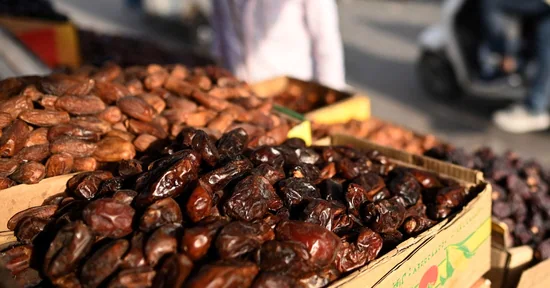
Dates are sweet, delicious, and nutritious fruits available throughout the year. They are often used in preparing different mixtures of dry fruits and other delicacies. Dates are primarily cultivated in Saudi Arabia from August to mid-November each year. Apart from Saudi Arabia, they are also grown in Egypt, Iran, the UAE, Pakistan, and several other countries. During the holy month of Ramadan, the demand for dates rises sharply. Muslims across the world prefer to break their fast with a few dates, following the Sunnah of Prophet Muhammad (ﷺ). This practice is not only spiritually significant but also provides an instant source of natural energy after a day of fasting. In the market, various types of datesranging from low-quality to premium varietiesare available to meet the needs of customers.
Nutritional Value and Fibre Content
Dates are loaded with vitamins, minerals, and fibre. The high fibre content helps cleanse the stomach and maintain a healthy digestive system. According to the U.S. Department of Agriculture, a single pitted date contains about 1.6 grams of fibre, which is roughly six percent of the daily recommended intake.
Fibre plays a vital role in digestion it softens stool, prevents constipation, and reduces the risk of haemorrhoids. It also helps lower levels of “bad” cholesterol (LDL), combats obesity, and promotes a healthy colon, reducing the risk of colitis and colon cancer.
A review published in Critical Reviews in Food Science and Nutrition found that the insoluble fibre in dates binds to fat and cholesterol, helping remove them from the body.
Heart Health
Eating dates is an excellent way to maintain a healthy heart. Dates are rich in potassium, which helps lower the risk of stroke and other cardiovascular diseases. Combined with their ability to reduce LDL cholesterol, dates become a heart-friendly superfood. For best results, some experts recommend soaking dates overnight and eating them the next morning.
Rich Source of Essential Minerals and Vitamins
A study published in the International Journal of Food Sciences and Nutrition (2003) described dates as “an almost ideal food,” providing a wide range of essential nutrients. Dates contain at least 15 minerals, several amino acids, and healthy fatty acids, making them beneficial for strengthening bones, preventing diseases like osteoporosis, and keeping the blood strong and healthy.
Here are some key nutrients found in dates:
Potassium: Maintains heart health, builds muscles, and regulates blood pressure.
Copper: Aids in the production of red blood cells, improves iron absorption, and prevents premature ageing.
Magnesium: Reduces inflammation, lowers blood pressure, and protects against arthritis and cardiovascular disease.
Selenium: Boosts immunity and acts as a powerful anti-cancer agent.
Iron: Essential for producing red blood cells and preventing anaemia.
Vitamin B6: Enhances brain performance and supports muscle function.
Niacin (Vitamin B3): Helps convert food into energy and supports nerve function.
Vitamin A: Keeps the eyes, skin, and mucous membranes healthy.
In conclusion, dates are not just a symbol of tradition and faith but also a nutrient-packed superfood that supports overall health. Whether eaten fresh, dried, or soaked, dates remain one of nature’s most complete and beneficial gifts.
The author can be reached at [email protected]

