

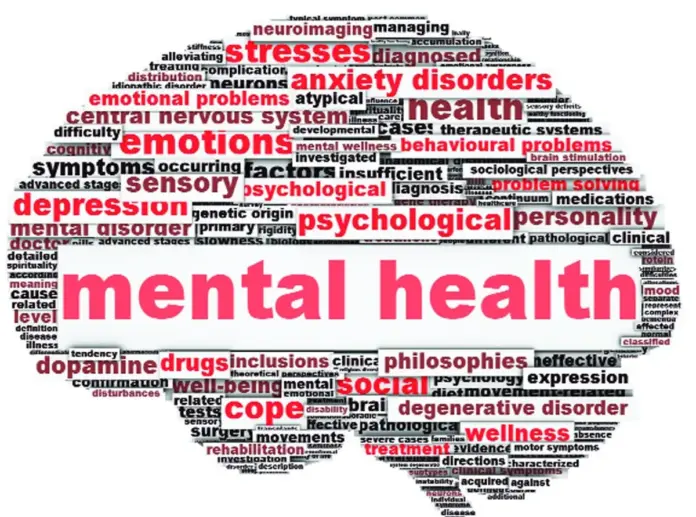
Mental health has become one of the most pressing global concerns in the modern world. While medical advancements have significantly improved physical healthcare, the same level of attention and prioritization has not been given to mental well-being. The global mental health crisis is an undeniable reality, affecting millions of people across all ages, social classes, and geographical boundaries. Despite the increasing awareness of its significance, mental health continues to be stigmatized, underfunded, and misunderstood, leaving countless individuals without the necessary support and treatment.
The root causes of the mental health crisis are deeply embedded in societal structures and lifestyle changes brought about by modernization, globalization, and technological advancements. The fast-paced nature of contemporary life, coupled with the pressures of economic instability, political unrest, and climate-related anxieties, has created an environment that fuels mental health issues. The rise of social media has further complicated the problem, exposing individuals to unrealistic expectations, cyberbullying, and a sense of social isolation despite being digitally connected. The pressures of academic success, workplace competition, and financial burdens have also contributed significantly to the increase in stress, anxiety, and depression among people worldwide.
One of the most alarming aspects of the crisis is its impact on younger generations. Children and adolescents today face an unprecedented level of pressure, whether in education, personal achievements, or social validation. The competitive nature of academic institutions, the influence of social media, and the lack of mental health education in schools have resulted in a rise in adolescent anxiety, depression, and suicidal tendencies. The inability to openly discuss mental health issues within families and educational institutions further exacerbates the problem, leaving many young individuals feeling unheard and unsupported.
Workplace mental health has also emerged as a significant concern. Long working hours, job insecurity, toxic work environments, and unrealistic expectations have led to an increase in burnout, anxiety, and depression among employees. The pressure to remain constantly productive in a hyper-competitive world often forces individuals to ignore their mental well-being, prioritizing their professional responsibilities over personal health. Many workplaces still lack adequate mental health policies, leaving employees without proper resources or support systems to address their psychological struggles.
The stigma surrounding mental health is one of the most significant barriers to effective intervention. In many cultures, mental health issues are viewed as a sign of weakness or a personal failing rather than a legitimate medical condition. This perception discourages individuals from seeking professional help, fearing social ostracization or discrimination. Even in societies where mental health is more openly discussed, the availability and accessibility of professional mental health services remain limited. High treatment costs, lack of mental health professionals, and inadequate government funding further restrict access to essential care.
The disparity in mental healthcare across different countries and communities highlights the severity of the crisis. While some developed nations have made progress in integrating mental health services into their healthcare systems, many low- and middle-income countries still lack the infrastructure to provide even basic mental health support. In such regions, mental illnesses often go undiagnosed or are treated with traditional beliefs rather than scientific medical interventions. The absence of trained professionals, mental health awareness campaigns, and policy initiatives has left millions struggling in silence.
The global pandemic further exposed and exacerbated the fragile state of mental health worldwide. Lockdowns, social isolation, economic instability, and health-related fears led to a significant rise in anxiety, depression, and post-traumatic stress disorder. The sudden disruption of daily life and uncertainty about the future affected individuals from all walks of life, highlighting the urgent need for mental health policies and crisis intervention strategies. While the pandemic did bring mental health discussions to the forefront, it also underscored the gaps in mental healthcare infrastructure, emphasizing the need for long-term, sustainable solutions.
Addressing the global mental health crisis requires a multi-faceted approach involving governments, healthcare systems, educational institutions, workplaces, and society at large. Governments must prioritize mental health funding, integrating it into public healthcare systems and ensuring that affordable and accessible treatment is available to all. Schools should incorporate mental health education into their curricula, fostering open conversations about emotional well-being from an early age. Workplaces must implement mental health-friendly policies, promoting work-life balance, stress management programs, and access to professional counseling services.
Beyond institutional changes, society must work towards eliminating the stigma associated with mental health. Open conversations, awareness campaigns, and community support systems can help normalize discussions about mental well-being, encouraging individuals to seek help without fear of judgment. Media and entertainment industries also play a crucial role in shaping public perception, and responsible representation of mental health issues in films, television, and literature can contribute to breaking long-standing stereotypes.
Technological advancements can also be leveraged to improve mental healthcare. Teletherapy, mental health apps, and online support groups have already provided accessible alternatives for those unable to seek in-person treatment. Governments and healthcare institutions should invest in expanding digital mental health services, making them widely available, especially in underserved areas.
The global mental health crisis is a challenge that can no longer be ignored. It affects individuals, families, communities, and nations as a whole. Without immediate and comprehensive action, the crisis will continue to deepen, leading to long-term consequences for global well-being. Mental health is just as important as physical health, and it is time for the world to recognize and address it with the seriousness it deserves. A collective effort from governments, institutions, and individuals is essential to create a future where mental well-being is prioritized, understood, and supported for all.
(The Writer is Editor in Chief of the Assamese E-Megazine SAMPROTIK)

