

By: HIMANGSHU RANJAN BHUYAN
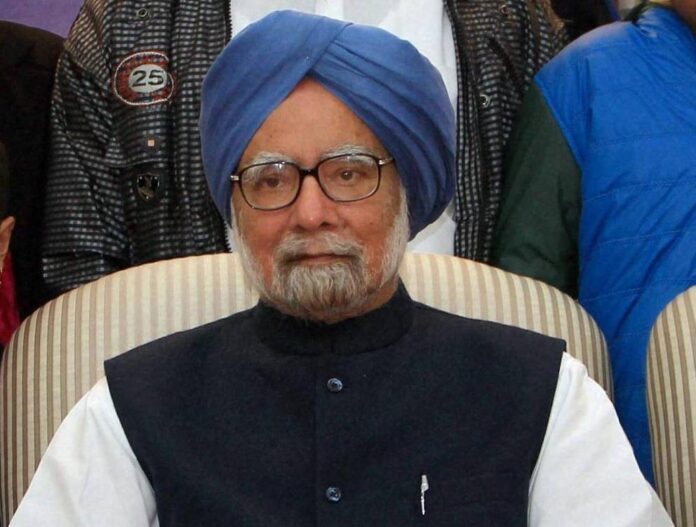
Dr. Manmohan Singh, a towering figure in modern Indian history, leaves behind a legacy of unparalleled contributions to the nation’s economic and political spheres. A scholar, economist, and statesman, Dr. Singh embodied quiet yet transformative leadership. His life’s work has reshaped India’s trajectory, making him one of the most influential figures in the country’s post-independence history. His passing is not just a moment to mourn, but an opportunity to reflect on his enduring impact.
Dr. Singh’s early life was marked by hardship and resilience. Born on September 26, 1932, in Gah, now in Pakistan, he witnessed the Partition of India, an event that deeply influenced his worldview. His academic brilliance took him from Punjab University to the University of Cambridge and the University of Oxford, where he excelled in economics. His journey from a small village to the global stage exemplified his unwavering determination and intellect.
His first significant contribution to India’s development came during the economic crisis of 1991, when the country faced an impending financial collapse. As Finance Minister under Prime Minister P.V. Narasimha Rao, Dr. Singh introduced transformative economic reforms that liberalized the Indian economy. These reforms dismantled the License Raj, reduced trade barriers, and invited foreign investment, marking the beginning of India’s integration into the global economy. His vision was clear: India could no longer afford to remain insulated from global markets. The liberalization policies not only saved the nation from bankruptcy but also laid the foundation for decades of rapid economic growth.
These reforms were not without criticism. Some argued that liberalization widened the gap between the rich and the poor, and others feared the erosion of indigenous industries. However, Dr. Singh’s approach was pragmatic. He believed that economic growth was a prerequisite for poverty alleviation and social development. The policies he championed transformed India into one of the fastest-growing economies in the world, elevating millions out of poverty and creating a burgeoning middle class.
In 2004, Dr. Singh became India’s Prime Minister, a role he held for a decade. Leading a coalition government required immense political acumen, and Dr. Singh’s tenure was marked by a series of landmark initiatives. His focus on inclusive growth was evident in policies like the Mahatma Gandhi National Rural Employment Guarantee Act (MGNREGA), which provided a safety net for rural laborers, and the Right to Education Act, which made education a fundamental right for children. These initiatives reflected his deep commitment to addressing the needs of India’s marginalized populations.
Dr. Singh’s governance style was characterized by humility and consensus-building. He was not a leader who sought the limelight; instead, he allowed his actions and policies to define his leadership. This approach was particularly evident in his handling of foreign relations. Under his tenure, India strengthened its global standing, most notably through the Indo-U.S. Civil Nuclear Agreement. This landmark deal not only bolstered India’s energy security but also positioned the country as a responsible global power. His ability to navigate complex international negotiations with tact and foresight earned him widespread respect on the global stage.
Despite his achievements, Dr. Singh’s tenure as Prime Minister was not without challenges. His second term was marred by allegations of corruption and accusations of policy paralysis. Critics often questioned his silence on contentious issues, interpreting it as a lack of decisiveness. Yet, even amidst these challenges, his personal integrity remained unquestioned. Dr. Singh’s steadfast commitment to ethical governance set him apart in a political landscape often tainted by opportunism.
What truly defined Dr. Singh was his unwavering belief in the power of education and reform. He was a firm advocate for scientific temper, economic pragmatism, and social justice. His policies were not just aimed at immediate results but were rooted in a long-term vision for a progressive and equitable India. He understood that reforms, whether economic or social, required patience and persistence, and he was willing to take measured risks to ensure the nation’s progress.
Dr. Singh’s humility was perhaps his most striking characteristic. He often described himself as an “accidental politician,” a reflection of his reluctance to seek power for its own sake. His focus was always on serving the nation, and he never let personal ambition overshadow his responsibilities. This humility earned him the respect of colleagues, critics, and citizens alike. In a political environment often dominated by rhetoric and theatrics, his quiet determination stood as a refreshing contrast.
As India reflects on Dr. Singh’s contributions, it is impossible to ignore the immense challenges he faced. Balancing economic reforms with social welfare, navigating coalition politics, and upholding democratic values required extraordinary skill and resilience. Yet, he approached these challenges with the same calm and reasoned demeanor that defined his life. His leadership was not about grand gestures but about creating lasting change, a quality that made him a true reformer.
Dr. Singh’s legacy is multifaceted. He will be remembered as the architect of India’s economic transformation, a leader who prioritized the welfare of the underprivileged, and a statesman who elevated India’s global standing. But beyond his policy achievements, he leaves behind a legacy of integrity, humility, and a relentless commitment to public service.
In an era of divisive politics and short-term gains, Dr. Singh’s life offers invaluable lessons. He demonstrated that leadership is not about dominating others but about serving with honesty and vision. He showed that progress requires courage, collaboration, and a willingness to embrace change. Most importantly, he reminded us that humility and integrity are not signs of weakness but the hallmarks of true strength.
As the nation mourns the loss of one of its greatest leaders, it is also a moment to celebrate his contributions and carry forward his vision for a better India. Dr. Manmohan Singh’s life was a testament to the transformative power of ideas, the importance of ethical leadership, and the enduring value of public service. His legacy will continue to inspire generations, guiding them toward a future built on the principles he held dear.
Dr. Manmohan Singh, a towering figure in modern Indian history, leaves behind a legacy of unparalleled contributions to the nation’s economic and political spheres. A scholar, economist, and statesman, Dr. Singh embodied quiet yet transformative leadership. His life’s work has reshaped India’s trajectory, making him one of the most influential figures in the country’s post-independence history. His passing is not just a moment to mourn, but an opportunity to reflect on his enduring impact.
Dr. Singh’s early life was marked by hardship and resilience. Born on September 26, 1932, in Gah, now in Pakistan, he witnessed the Partition of India, an event that deeply influenced his worldview. His academic brilliance took him from Punjab University to the University of Cambridge and the University of Oxford, where he excelled in economics. His journey from a small village to the global stage exemplified his unwavering determination and intellect.
His first significant contribution to India’s development came during the economic crisis of 1991, when the country faced an impending financial collapse. As Finance Minister under Prime Minister P.V. Narasimha Rao, Dr. Singh introduced transformative economic reforms that liberalized the Indian economy. These reforms dismantled the License Raj, reduced trade barriers, and invited foreign investment, marking the beginning of India’s integration into the global economy. His vision was clear: India could no longer afford to remain insulated from global markets. The liberalization policies not only saved the nation from bankruptcy but also laid the foundation for decades of rapid economic growth.
These reforms were not without criticism. Some argued that liberalization widened the gap between the rich and the poor, and others feared the erosion of indigenous industries. However, Dr. Singh’s approach was pragmatic. He believed that economic growth was a prerequisite for poverty alleviation and social development. The policies he championed transformed India into one of the fastest-growing economies in the world, elevating millions out of poverty and creating a burgeoning middle class.
In 2004, Dr. Singh became India’s Prime Minister, a role he held for a decade. Leading a coalition government required immense political acumen, and Dr. Singh’s tenure was marked by a series of landmark initiatives. His focus on inclusive growth was evident in policies like the Mahatma Gandhi National Rural Employment Guarantee Act (MGNREGA), which provided a safety net for rural laborers, and the Right to Education Act, which made education a fundamental right for children. These initiatives reflected his deep commitment to addressing the needs of India’s marginalized populations.
Dr. Singh’s governance style was characterized by humility and consensus-building. He was not a leader who sought the limelight; instead, he allowed his actions and policies to define his leadership. This approach was particularly evident in his handling of foreign relations. Under his tenure, India strengthened its global standing, most notably through the Indo-U.S. Civil Nuclear Agreement. This landmark deal not only bolstered India’s energy security but also positioned the country as a responsible global power. His ability to navigate complex international negotiations with tact and foresight earned him widespread respect on the global stage.
Despite his achievements, Dr. Singh’s tenure as Prime Minister was not without challenges. His second term was marred by allegations of corruption and accusations of policy paralysis. Critics often questioned his silence on contentious issues, interpreting it as a lack of decisiveness. Yet, even amidst these challenges, his personal integrity remained unquestioned. Dr. Singh’s steadfast commitment to ethical governance set him apart in a political landscape often tainted by opportunism.
What truly defined Dr. Singh was his unwavering belief in the power of education and reform. He was a firm advocate for scientific temper, economic pragmatism, and social justice. His policies were not just aimed at immediate results but were rooted in a long-term vision for a progressive and equitable India. He understood that reforms, whether economic or social, required patience and persistence, and he was willing to take measured risks to ensure the nation’s progress.
Dr. Singh’s humility was perhaps his most striking characteristic. He often described himself as an “accidental politician,” a reflection of his reluctance to seek power for its own sake. His focus was always on serving the nation, and he never let personal ambition overshadow his responsibilities. This humility earned him the respect of colleagues, critics, and citizens alike. In a political environment often dominated by rhetoric and theatrics, his quiet determination stood as a refreshing contrast.
As India reflects on Dr. Singh’s contributions, it is impossible to ignore the immense challenges he faced. Balancing economic reforms with social welfare, navigating coalition politics, and upholding democratic values required extraordinary skill and resilience. Yet, he approached these challenges with the same calm and reasoned demeanor that defined his life. His leadership was not about grand gestures but about creating lasting change, a quality that made him a true reformer.
Dr. Singh’s legacy is multifaceted. He will be remembered as the architect of India’s economic transformation, a leader who prioritized the welfare of the underprivileged, and a statesman who elevated India’s global standing. But beyond his policy achievements, he leaves behind a legacy of integrity, humility, and a relentless commitment to public service.
In an era of divisive politics and short-term gains, Dr. Singh’s life offers invaluable lessons. He demonstrated that leadership is not about dominating others but about serving with honesty and vision. He showed that progress requires courage, collaboration, and a willingness to embrace change. Most importantly, he reminded us that humility and integrity are not signs of weakness but the hallmarks of true strength.
As the nation mourns the loss of one of its greatest leaders, it is also a moment to celebrate his contributions and carry forward his vision for a better India. Dr. Manmohan Singh’s life was a testament to the transformative power of ideas, the importance of ethical leadership, and the enduring value of public service. His legacy will continue to inspire generations, guiding them toward a future built on the principles he held dear.
(The Writer is Editor in Chief of the Assamese E-Megazine SAMPROTIK)

